Environmental Impact
Carbon Footprint, Energy and Resource Use
The environmental impact of diamond production is a key consideration for today’s sustainably minded consumers. Laboratory‑grown diamonds offer a substantially different resource and emissions profile compared to traditionally mined stones, driven primarily by energy use, carbon intensity, and the absence of large‑scale land disruption.
Carbon Footprint and Greenhouse Gas Emission
The carbon footprint associated with diamond production varies significantly by production method and energy source. Traditional diamond mining is energy‑intensive, involving heavy machinery, explosives, ore processing, and long‑distance transport, which have been estimated to generate approximately 144–250 kg CO₂ per polished carat across the value chain.
In contrast, laboratory-grown diamonds generally exhibit substantially lower emissions when powered by low‑carbon electricity. Lifecycle assessments indicate lab‑grown stones produced using renewable energy can have carbon footprints in the range of 6–30 kg CO₂ per polished carat, representing reductions of up to 80‑97 % relative to mined diamonds.
It is important to note that laboratory-grown diamonds produced on grids reliant on fossil fuels can have higher emissions, however, as renewable energy adoption increases, the relative benefits continue to improve.
SHORT FACTS: Much lower carbon footprint
When powered by renewable energy, lab-grown diamonds can emit up to ~97 % fewer greenhouse gases than mined diamonds - often around 6 kg CO₂ per carat vs. ~160 kg for mined stones.
Resource Use
Land, Water, and Wast
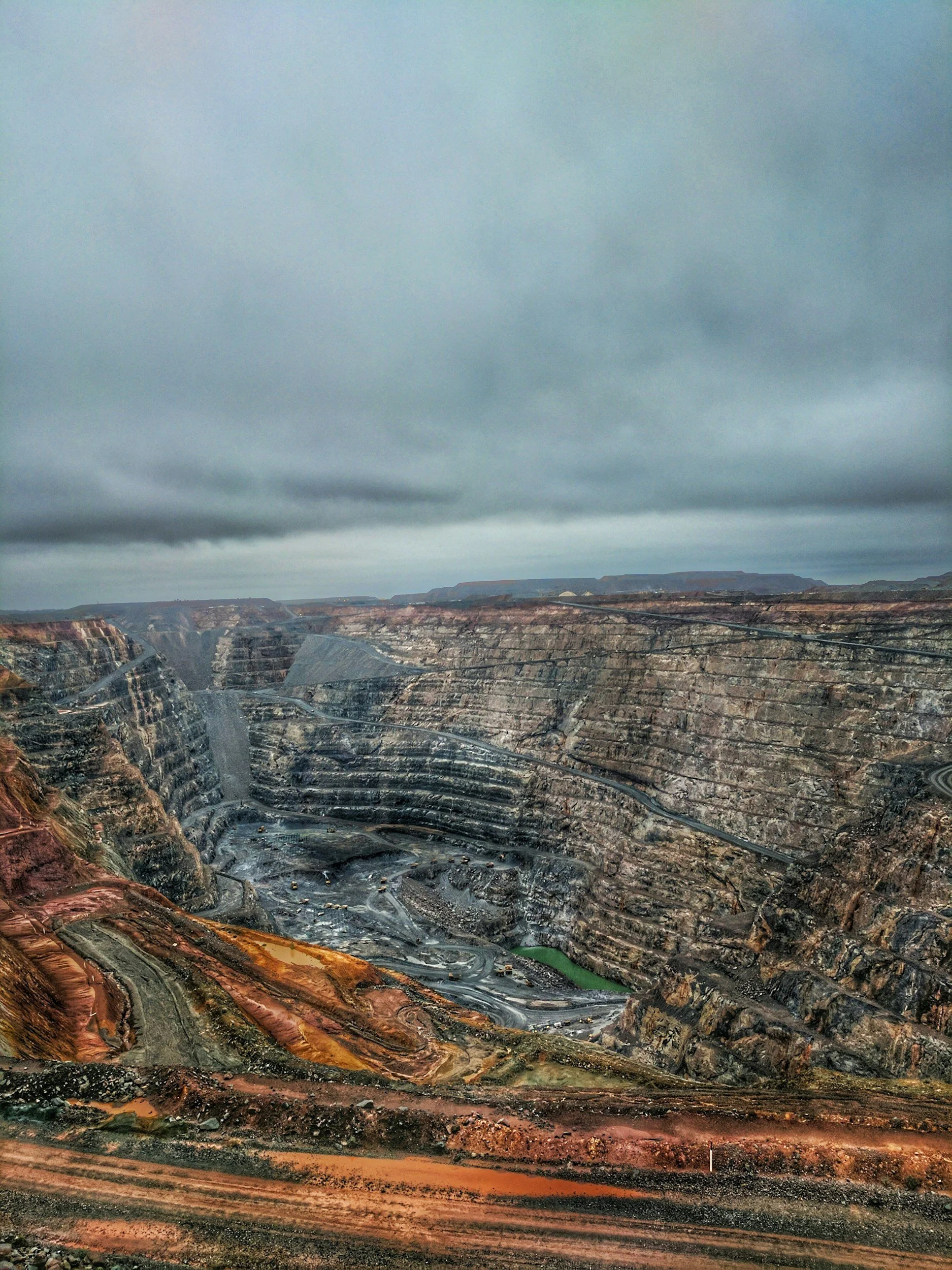
Unlike mined diamonds, which involve excavation of large tracts of land and associated ecosystem disruption, laboratory‑grown diamonds require no open pit or underground mining and therefore avoid habitat loss, soil displacement, and related impacts.
Water usage in lab production is also generally much lower than in mining, where water is used for ore processing and can contribute to local water stress. Many laboratories operate closed‑loop cooling systems and recycle water internally, minimizing external consumption and contamination risk.
Furthermore, mineral waste associated with diamond mining - often measured in tonnes of tailings per carat - is effectively eliminated in lab production, where material inputs are limited to gases and solid precursors that can be managed within industrial waste controls.
SHORT FACTS: Water use dramatically reduced
Mining often consumes ~480 litres (≈ 126 gallons) of water per carat, whereas laboratory-grown production uses a fraction of this - as little as 18 gallons per carat - with closed-loop systems that recycle and reuse.
Energy Consumption
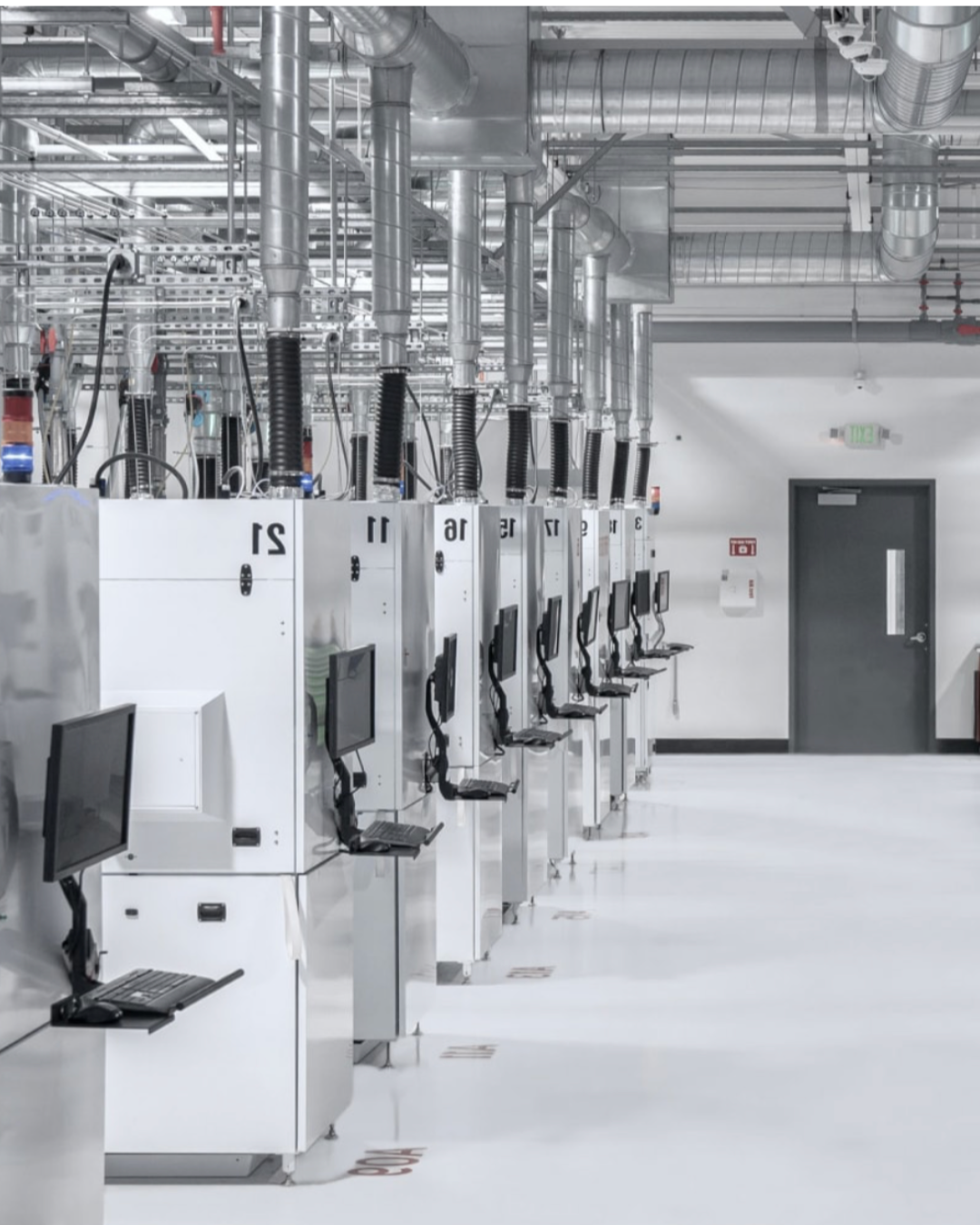
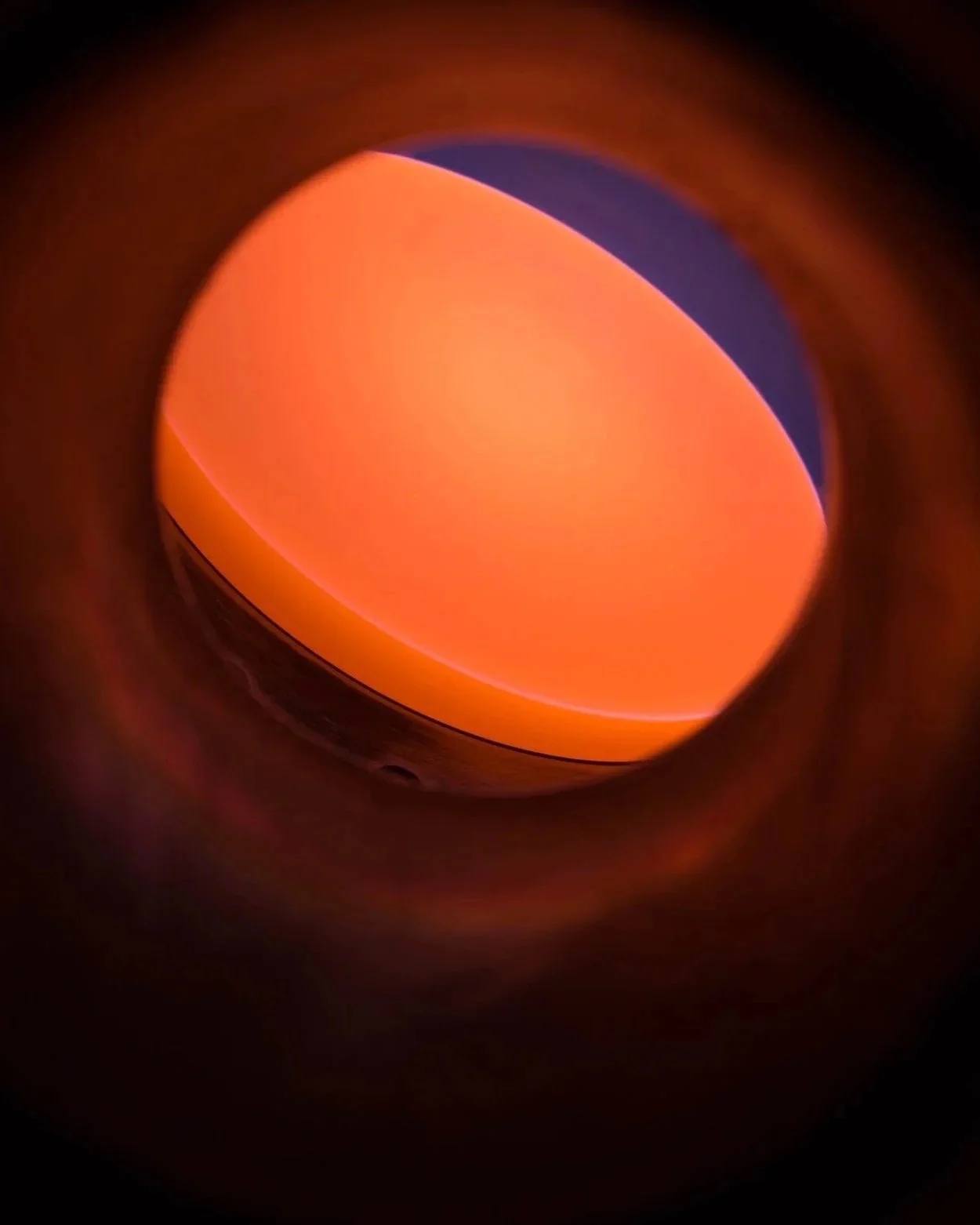
Lab‑grown diamond manufacturing relies principally on electricity rather than diesel‑powered heavy equipment. Common production technologies such as High Pressure High Temperature (HPHT) and Chemical Vapor Deposition (CVD) require electrical energy to create the extreme conditions needed for diamond growth. Depending on process and equipment, energy requirements per carat can range from tens to a few hundred kilowatt‑hours, with exact figures dependent on technology and scale.
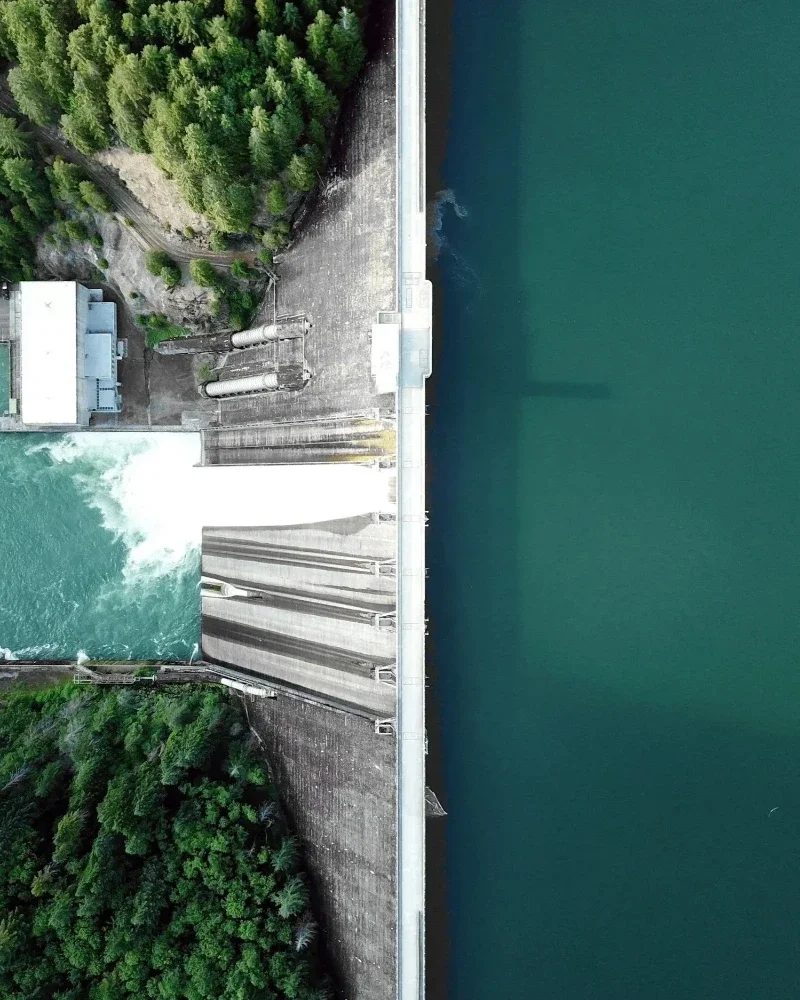
Crucially, this electricity can be sourced from renewable grids or directly installed clean energy systems (e.g., solar, wind, hydro), allowing many producers to significantly reduce both operational carbon intensity and lifecycle emissions.
SHORT FACTS: Minimal land disruption
Traditional mining can disturb up to 100 sq ft (≈10 m²) of land per carat, displacing soil, habitats and biodiversity. Lab production requires no excavation, leaving landscapes intact.
Industry Trends and Sustainability PathwayS
As global energy systems decarbonize, the environmental advantages of laboratory‑grown diamonds are expected to increase further. Scientific analyses project that broader adoption of laboratory-grown diamond production could contribute to annual reductions in greenhouse gas emissions, mineral waste, and water usage on a global scale, reinforcing the role of controlled production in sustainable supply chains.