FAQs
Are laboratory-grown diamonds real diamonds?
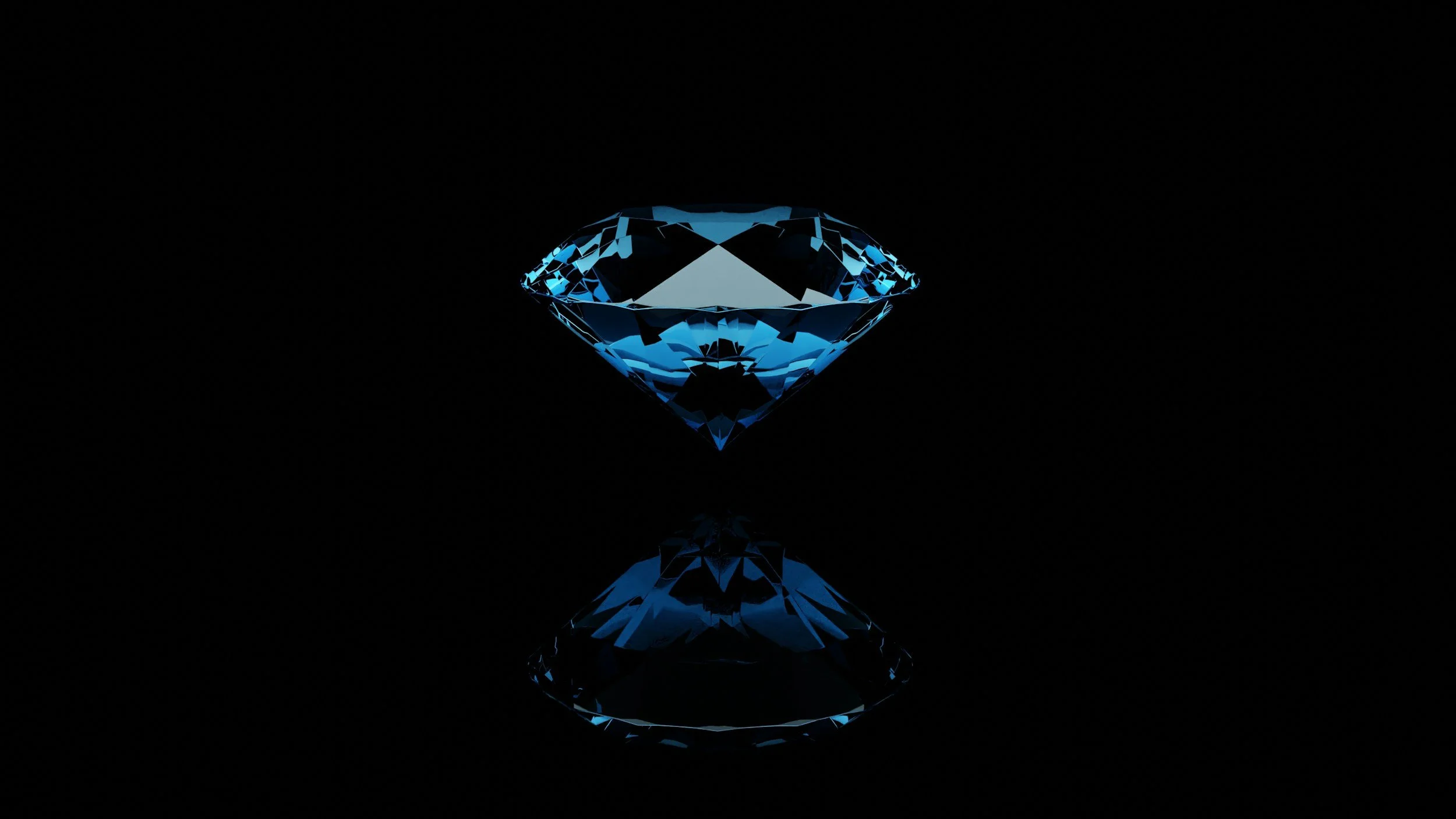
Yes. Laboratory-grown diamonds are real diamonds.
According to the Federal Trade Commission (FTC), a diamond is defined by its crystal structure and physical properties — not by where it forms.
Laboratory-grown and mined diamonds share:
identical chemical composition (carbon)
identical crystal structure
identical optical and physical properties
They can only be distinguished using specialized gemological equipment.
How are laboratory-grown diamonds created?
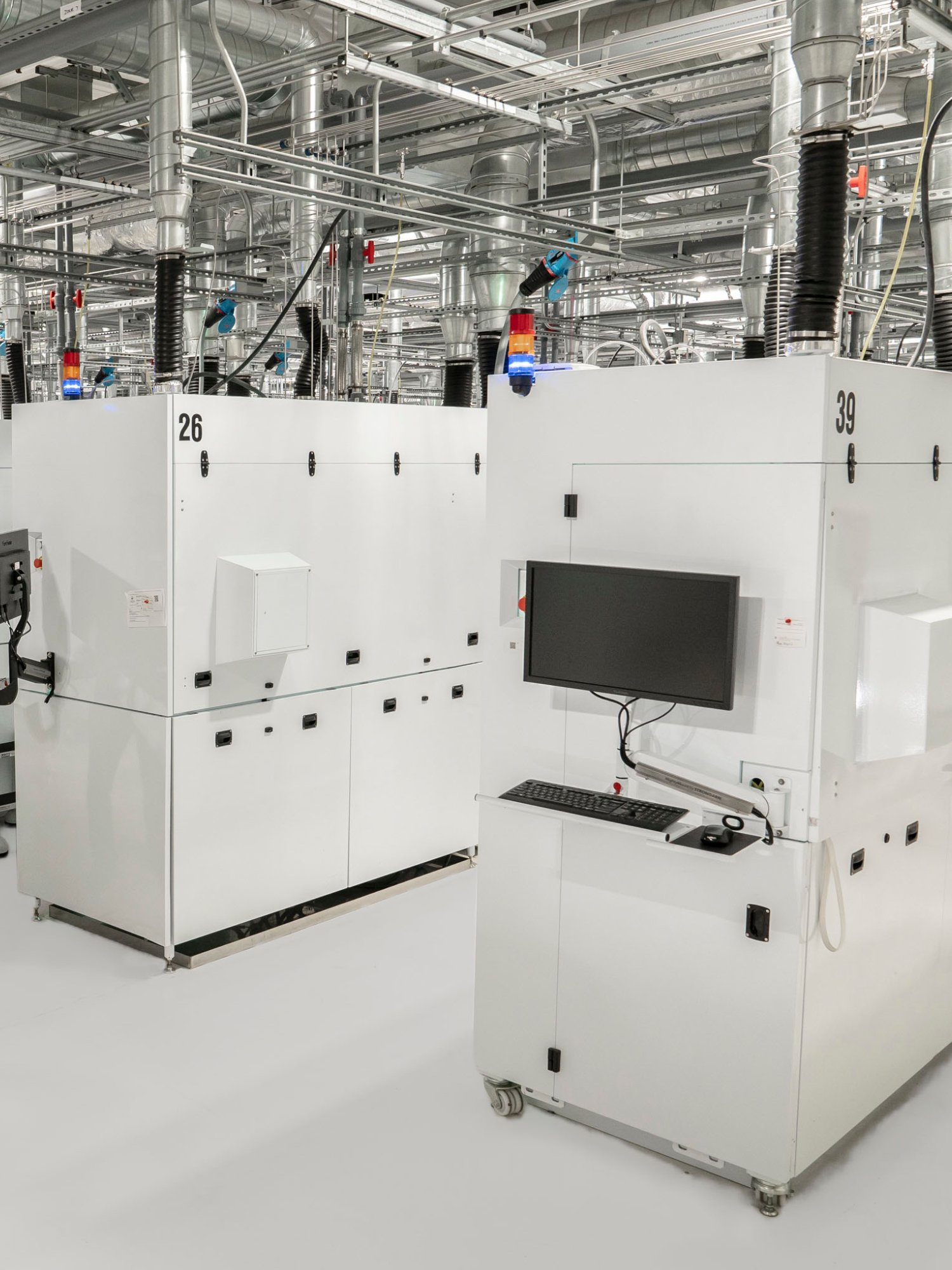
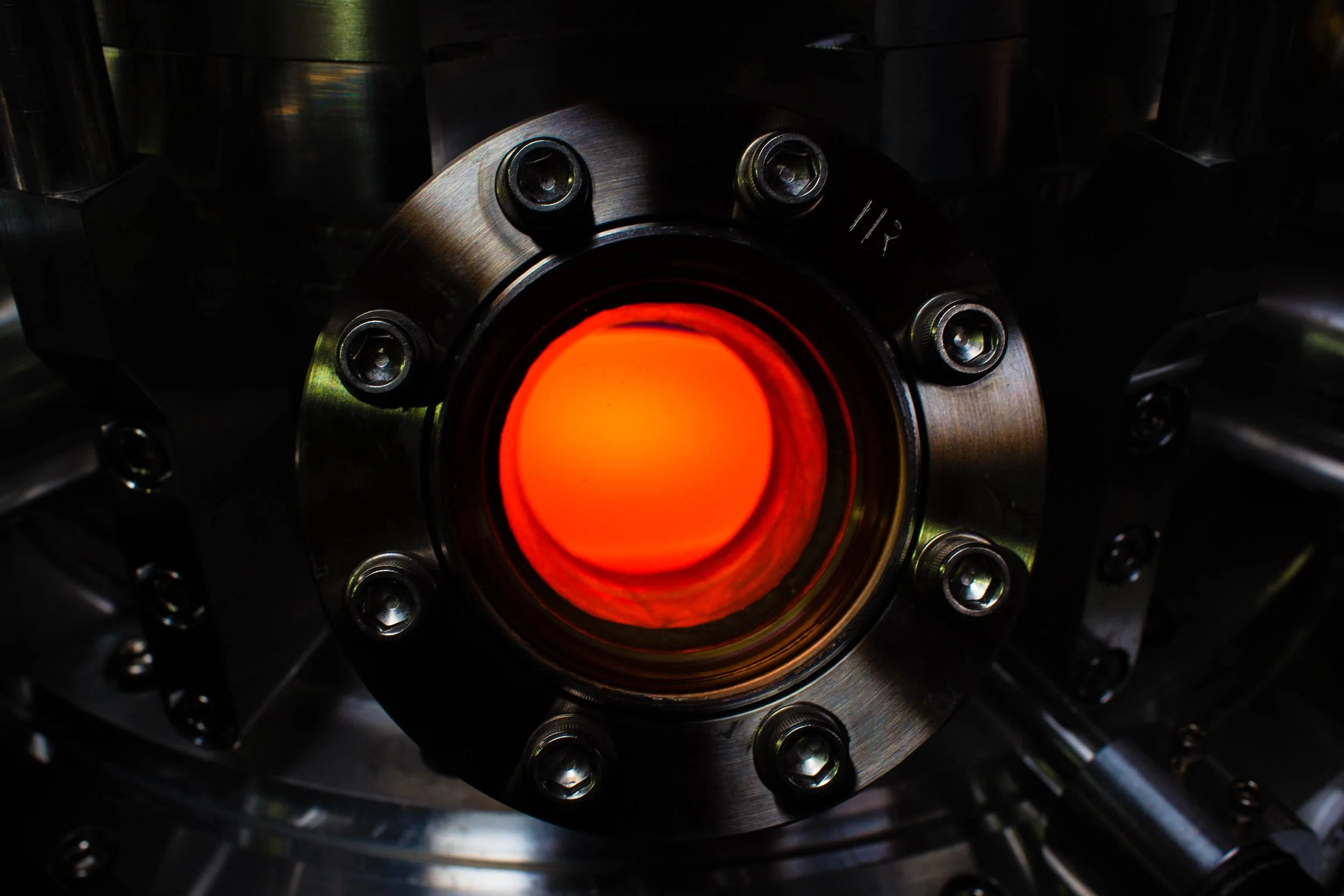
Laboratory-grown diamonds are produced using advanced technologies that replicate the natural conditions under which diamonds form underground.
Two primary methods are used:
HPHT (High Pressure High Temperature) Simulates geological pressure and temperature conditions.
CVD (Chemical Vapor Deposition) Carbon atoms crystallize layer by layer onto a diamond seed inside a plasma reactor.


Do laboratory-grown diamonds have a lower environmental impact?
Environmental impact varies depending on mining practices, energy sources, and operational standards.
Life-cycle assessments indicate that laboratory-grown diamonds produced using renewable energy can reduce impacts related to:
land disturbance
ecosystem disruption
material displacement
Environmental outcomes depend primarily on energy mix and production transparency.
How about negligible waste and pollution:
Lab facilities produce minimal physical waste and avoid the toxic runoff, sediment discharge, and tailings that accompany ore processing and open-pit mining.
How about land disturbance and material impact?
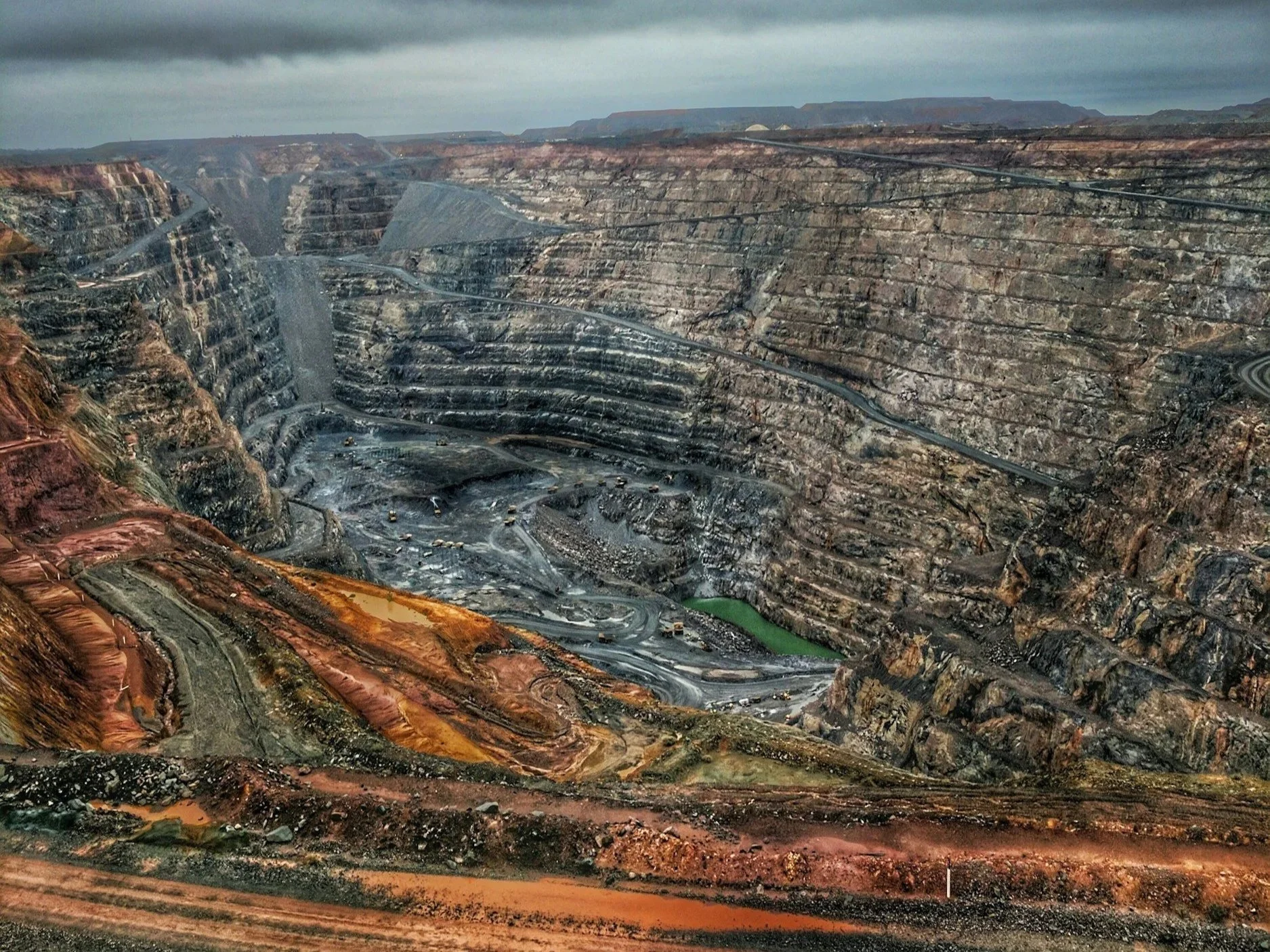
Diamond mining requires large-scale earth movement to access diamond-bearing ore.
Estimates suggest:
Mining 1 carat can disturb up to 100 square feet of land
Laboratory-grown diamonds are produced inside industrial facilities with minimal land disruption


How much less water do laboratory-grown diamonds use?
Studies consistently show significantly lower water consumption for laboratory-grown diamonds compared with mined diamonds.
Typical estimates per 1 carat production:
Mined Diamonds: Water Consumption approx. 480 liters ≈ 126 gallons
Laboratory-grown: Water Consumption approx. 70 liters or as low as 18 gallons
This represents roughly 70–85% less water usage, depending on technology and operational setup.
Water in laboratory production is primarily used in cooling systems and is often recycled in closed-loop processes.
How does energy consumption compare?
Energy use varies depending on technology and electricity source, but research indicates laboratory-grown diamonds can require substantially less energy per carat.
Approximate ranges:
Mined diamonds: up to ~538 kWh per carat
Laboratory-grown: up to 77–250 kWh per carat
Energy impact depends strongly on whether renewable electricity is used.
Do laboratory-grown diamonds produce fewer emissions?
Lifecycle studies indicate laboratory-grown diamonds can produce significantly lower greenhouse gas emissions, particularly when renewable energy is used.
Some analyses estimate reductions of up to 60–80% lower CO₂ emissions per carat, depending on production energy sources.
When powered by renewable energy, laboratory-grown diamonds can emit up to ~97 % fewer greenhouse gases than mined diamonds — often around 6 kg CO₂ per carat vs. ~160 kg for mined stones.
Up to 80% less CO₂ per carat
the same diamond, with a dramatically smaller footprint.
Are laboratory-grown diamonds certified?
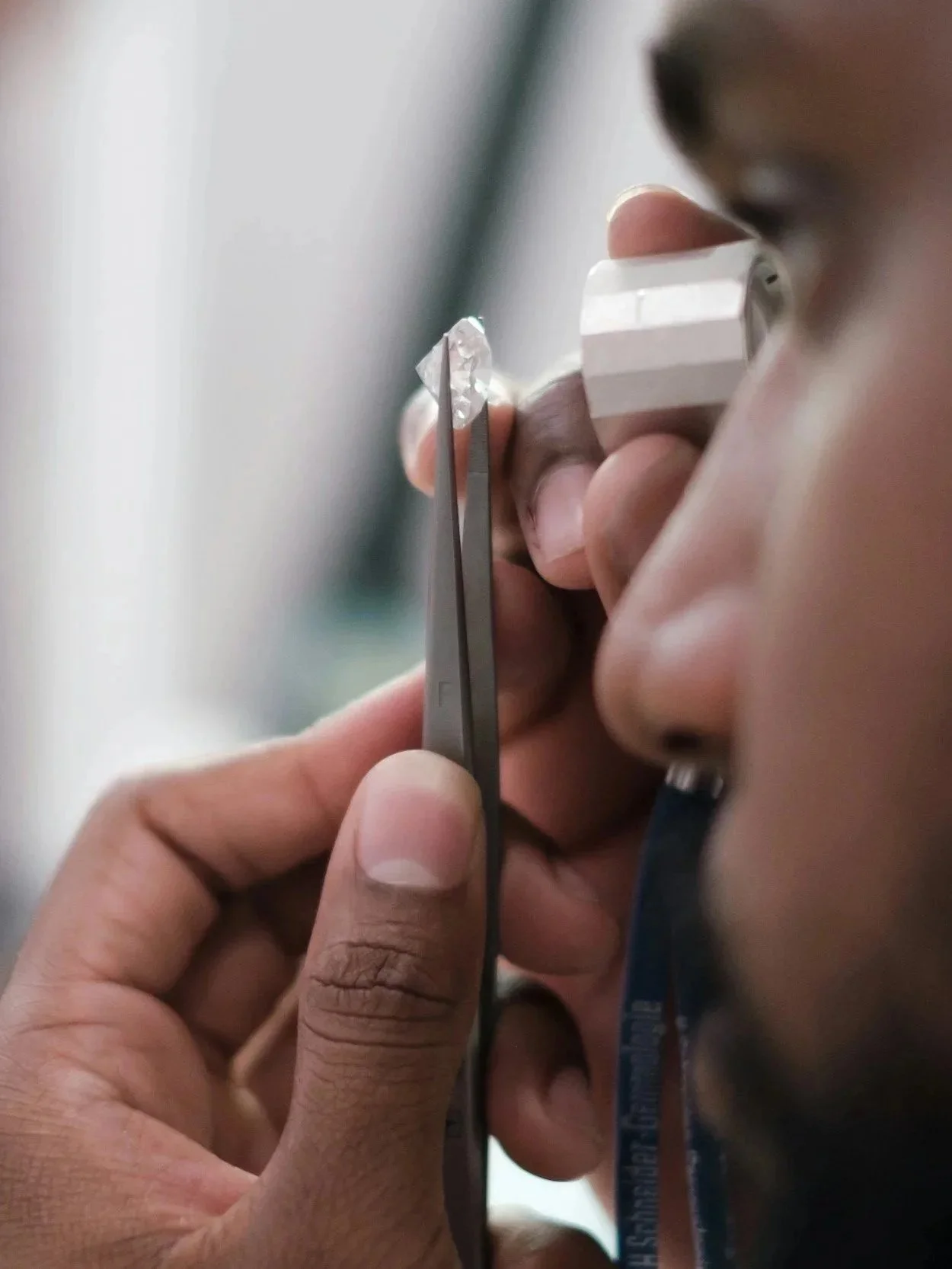
Yes! Laboratory-grown diamonds are graded according to the same gemological standards used for mined diamonds.
Independent laboratories such as the well known International Gemological Institute (IGI) issue grading reports based on the 4Cs:
Cut
Color
Clarity
Carat weight
producers go beyond the 4Cs standards…
Offering 6C certification: Carbon Neutral and Conflict-Free.
Why is consumer interest growing?
Consumer research shows increasing demand for:
transparency and traceability
innovation-driven luxury
measurable environmental impact
Nearly 70 % of global consumers prioritise environmental and ethical considerations when buying luxury goods and they make choices that reflect that.

56 % of consumers say they would even pay a premium for a sustainably sourced diamond.
70 % of millennials consider the environmental footprint of their jewelry before purchasing.
43 % of Gen Z consumers actively seek out brands with strong sustainability credentials when buying luxury goods.