WHY LABORATORY-GROWN…?
The future is our most precious luxury.
Fact First: Identical by Nature
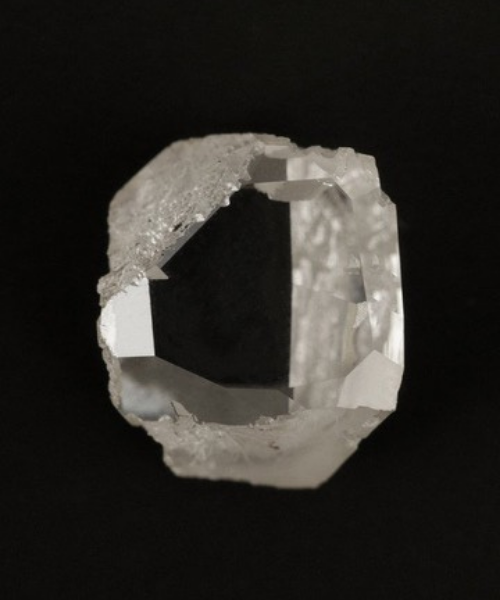
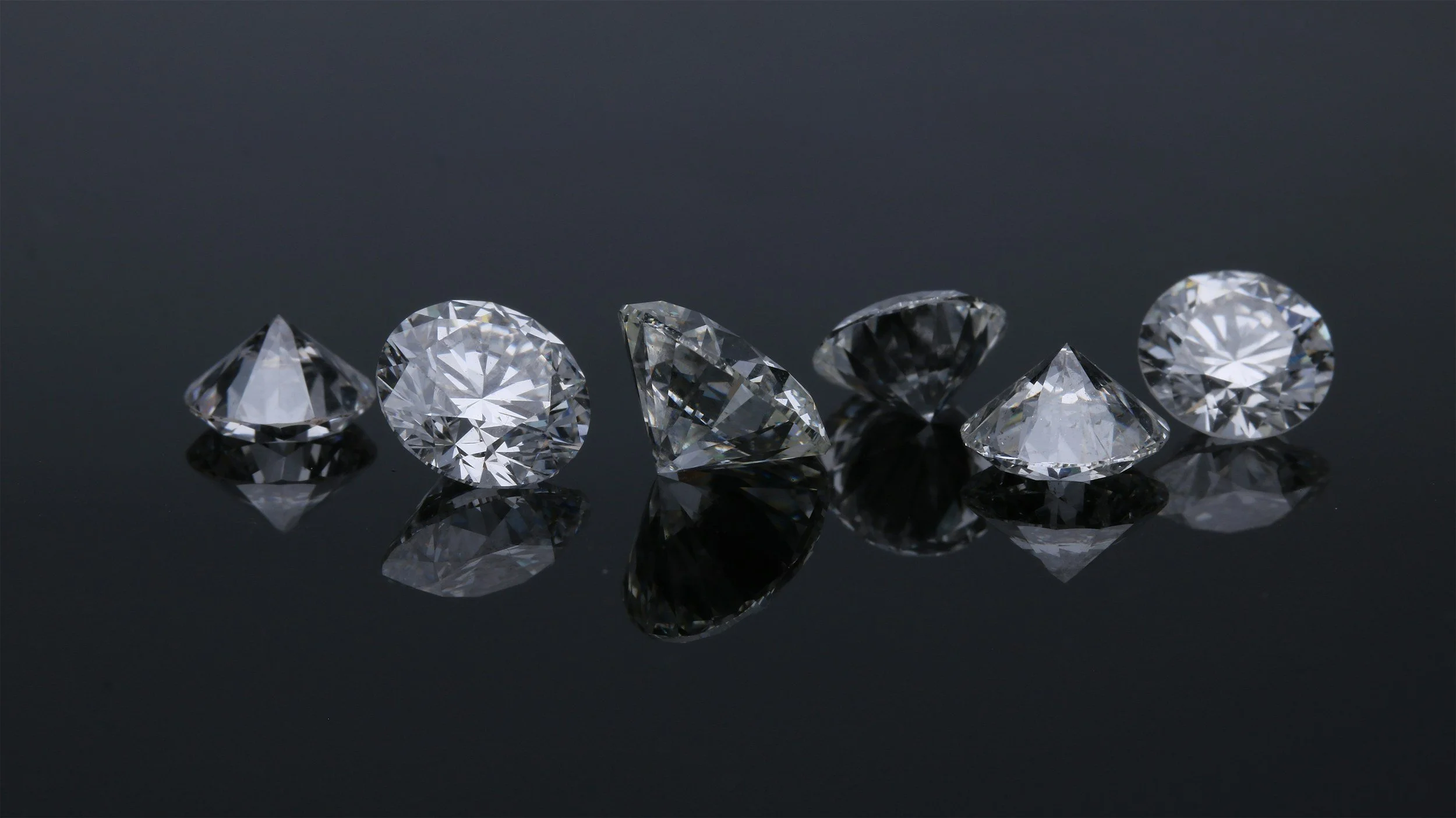
Laboratory-grown diamonds are diamonds.
They share the same chemical composition, crystal structure, optical brilliance, and physical properties as mined diamonds. The difference lies not in what they are - but in how they are created.
Creation replaces extraction.
Precision replaces uncertainty.
Knowledge replaces mythology.
This is not a compromise.
It is an evolution of how diamonds are made.
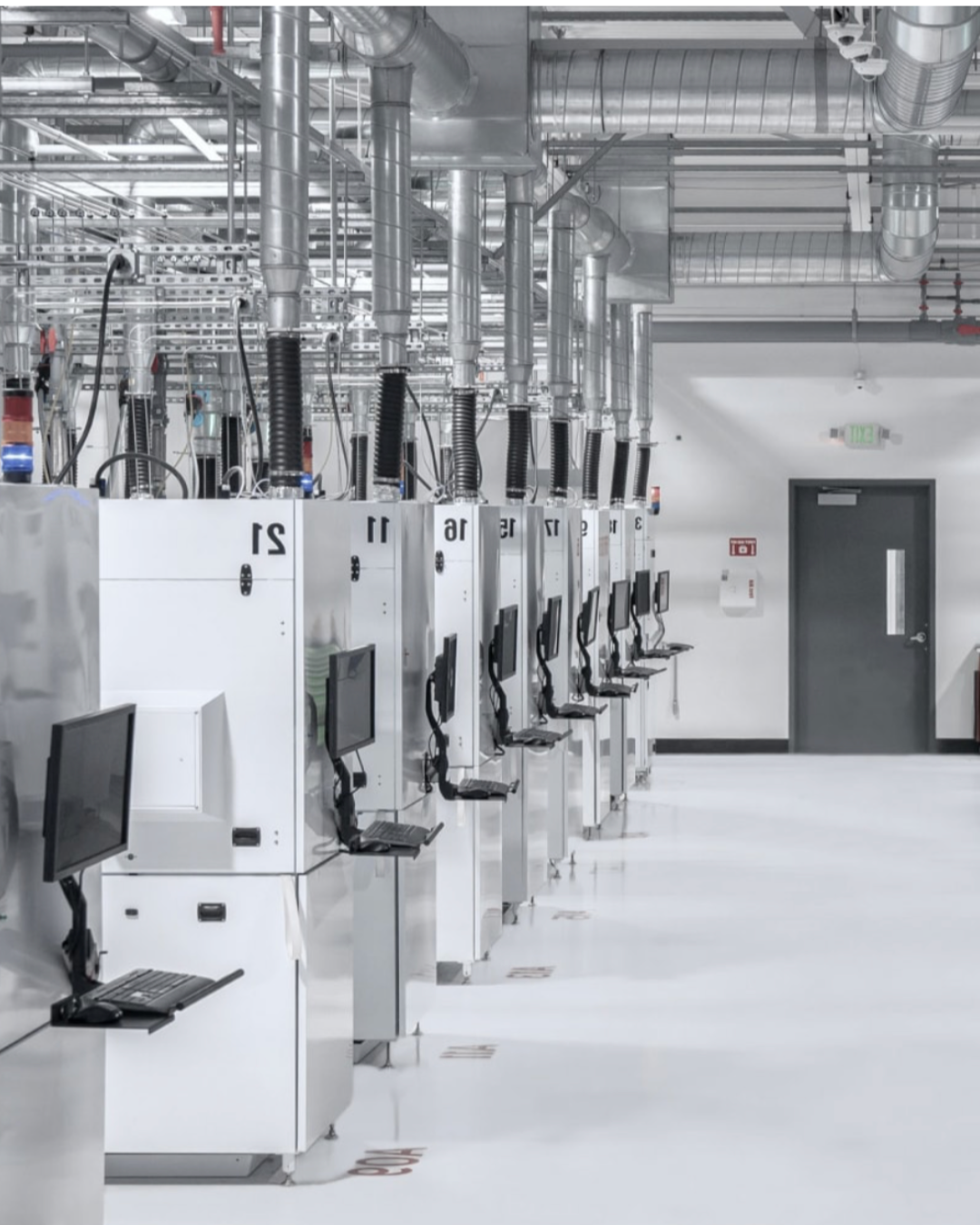
Laboratory-grown diamonds are produced in controlled industrial environments governed by labor regulations, workplace safety standards, and modern manufacturing practices.
This structure enables:
Clear traceability from production facility to final diamond
Standardized working conditions and safety protocols
Transparent supply chains that can be independently audited
Transparency is built into the production system rather than added afterward.
Environmental Impact: Measurable Differences
Lower Carbon Emission:

Why This Matters to a New Generation:
Consumers today expect greater transparency from luxury products.
Global research shows sustainability and traceability are increasingly important factors in purchasing decisions.
Key findings include:
Nearly 70% of global consumers consider environmental and ethical factors when purchasing luxury goods.
56% say they are willing to pay more for sustainably sourced products.
Designed for a More Transparent Supply Chain
The way diamonds are produced has environmental consequences. Life-cycle studies show measurable differences between mining and laboratory production across several key indicators.
When powered by renewable energy, laboratory-grown diamonds can produce significantly lower greenhouse-gas emissions.
Approximate comparison:
Mined diamonds: up to ~160 kg CO₂ per carat
Laboratory-grown diamonds: as low as ~6 kg CO₂ per carat
Minimal Land Disturbance:
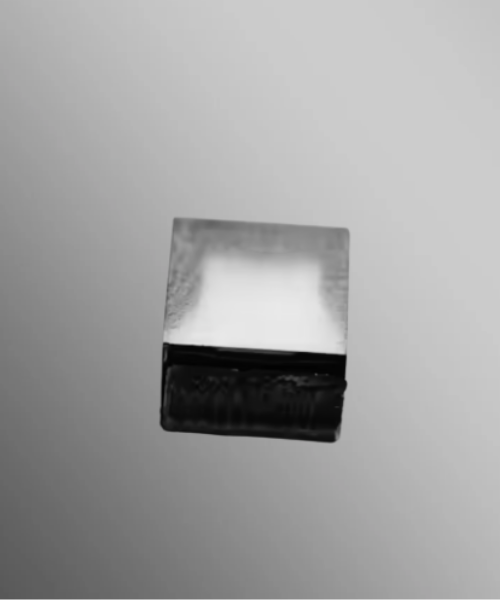
Modern technology allows diamonds to be grown in controlled environments using advanced scientific processes that replicate the natural conditions under which diamonds form.
These technologies - including HPHT (High Pressure High Temperature) and CVD (Chemical Vapor Deposition) - enable the creation of diamonds with precision and consistency.
Innovation makes it possible to rethink how diamonds are produced, with greater transparency, traceability, and control over environmental impact.
Innovation Without Illusion
Diamond mining can disturb large areas of land to access diamond-bearing ore.
Estimates indicate that mining one carat may disturb up to 100 square feet (≈9–10 m²) of land.
Laboratory production requires no excavation, leaving landscapes and ecosystems undisturbed.
Sustainability as Continuous Progress:
Responsible diamond creation is not a static claim, it is a continuous process of measurement and improvement.
This includes:
reducing energy intensity through technological innovation
increasing renewable energy usage
measuring environmental impact through lifecycle assessments
ensuring transparency through verifiable data
Sustainability is not a slogan. It is accountability, data, and constant progress.
Diamonds for a Changing World:
Laboratory-grown diamonds reflect a broader shift in how luxury is defined.
They combine:
scientific innovation
measurable environmental performance
transparent production
modern supply-chain accountability
Diamonds remain symbols of beauty and meaning.
But how they are created is evolving.
Laboratory-grown diamonds: true to the future.